
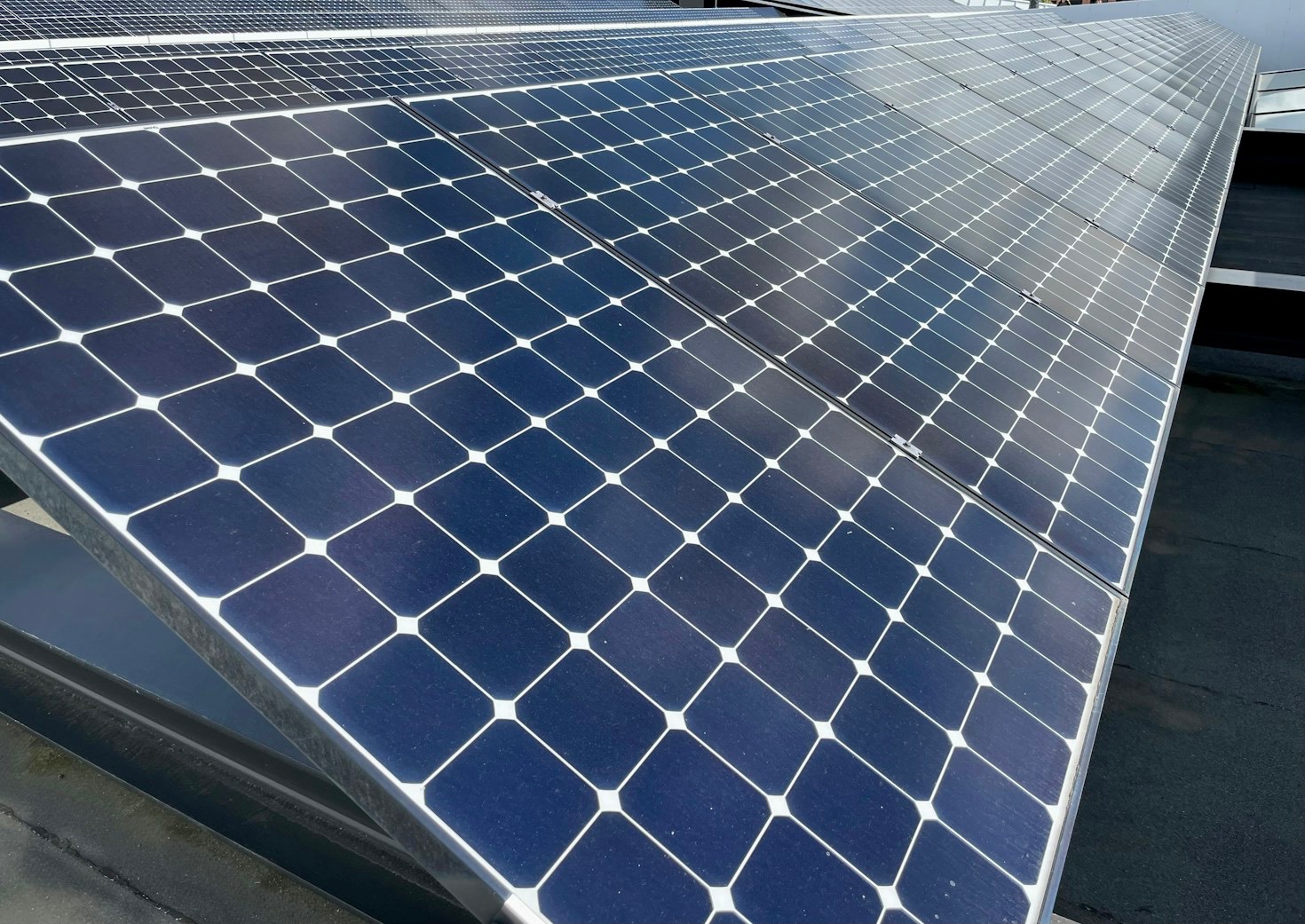
Solar attracts confident sales claims and equally confident myths. The useful answer is usually more nuanced: performance depends on system design, location, roof and how electricity is used.
Myth 1: Solar does not work in the UK
False. Solar panels generate from daylight, not heat. Output is lower on dark cloudy days and in winter, but UK homes can still generate useful electricity across the year.
Myth 2: You need a perfectly south-facing roof
South-facing and unshaded is ideal, but east- and west-facing roofs can still be viable. Energy Saving Trust says they typically generate around 15–20% less than directly south-facing systems.
Myth 3: Panels produce nothing on cloudy days
They continue to produce electricity, although less than under strong direct sunlight.
Myth 4: A battery is essential
Solar works without a battery. Storage may increase self-use, but the added capital cost and expected replacement should be modelled separately.
Myth 5: Solar makes you independent from the grid
Most domestic systems remain grid connected. Standard inverters normally shut down during a power cut for safety. Backup requires a system specifically designed and installed for it.
Myth 6: More panels always mean better value
Extra panels can be cost-effective, but value depends on roof space, inverter sizing, grid constraints, self-use and export payments. The largest system is not automatically the best one.
Myth 7: Solar panels require constant cleaning
Rain and panel angle often limit dirt build-up. Performance should be monitored, and cleaning considered where soiling, birds or local conditions cause a measurable problem. Do not climb onto a roof yourself.
Myth 8: Savings are guaranteed
No forecast can guarantee weather, household behaviour, future tariffs or equipment performance. Ask for the assumptions in writing and compare conservative as well as optimistic scenarios.
Independent sources
Energy Saving Trust: solar power fact check · Energy Saving Trust: solar panels
Leave a Reply