

What Does Solar Cost in the UK?
The cost of a solar installation depends on the size of your home, your electricity use, the number of panels required and whether you add battery storage. Most homeowners are best served by comparing total system value — not simply choosing the cheapest quote.
£5,000-£7,000
Typical solar-only system
“For many UK homes, a typical residential PV system falls in this range, depending on the system size, roof complexity and equipment.”
£7,000-£12,000
Solar + battery storage
“Adding battery storage increases the upfront cost, but can improve how much of your own solar electricity you use.”
How Much Could Solar Save You?
Your savings depend on how much electricity you use, when you use it, your roof orientation, system size, battery storage and the export tariff you receive. A well-matched system can reduce the amount of electricity you buy from the grid and improve protection against future energy price rises.
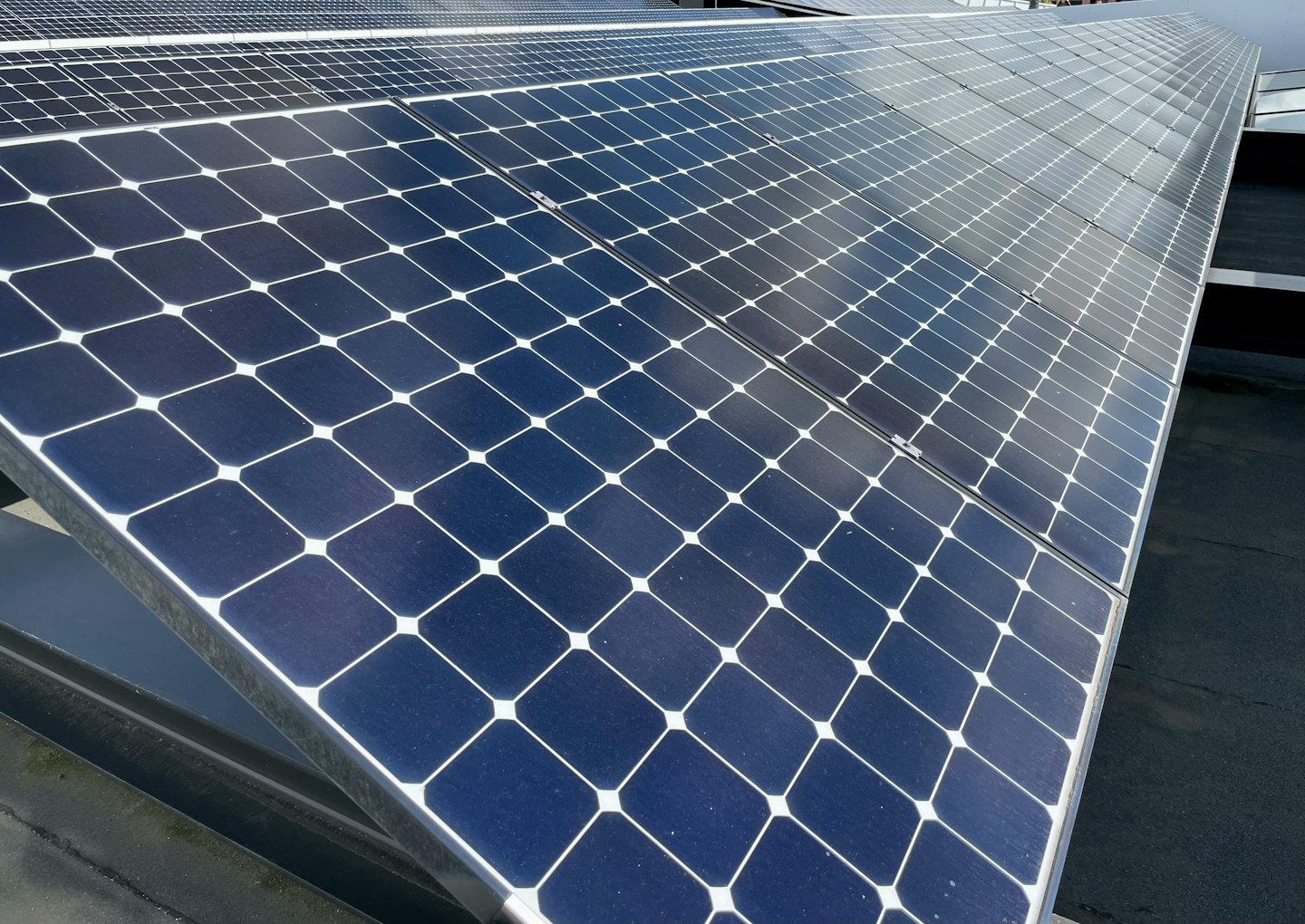
1. How much electricity you use
Higher electricity use can mean greater potential savings, especially if a good proportion of that usage happens during daylight hours.
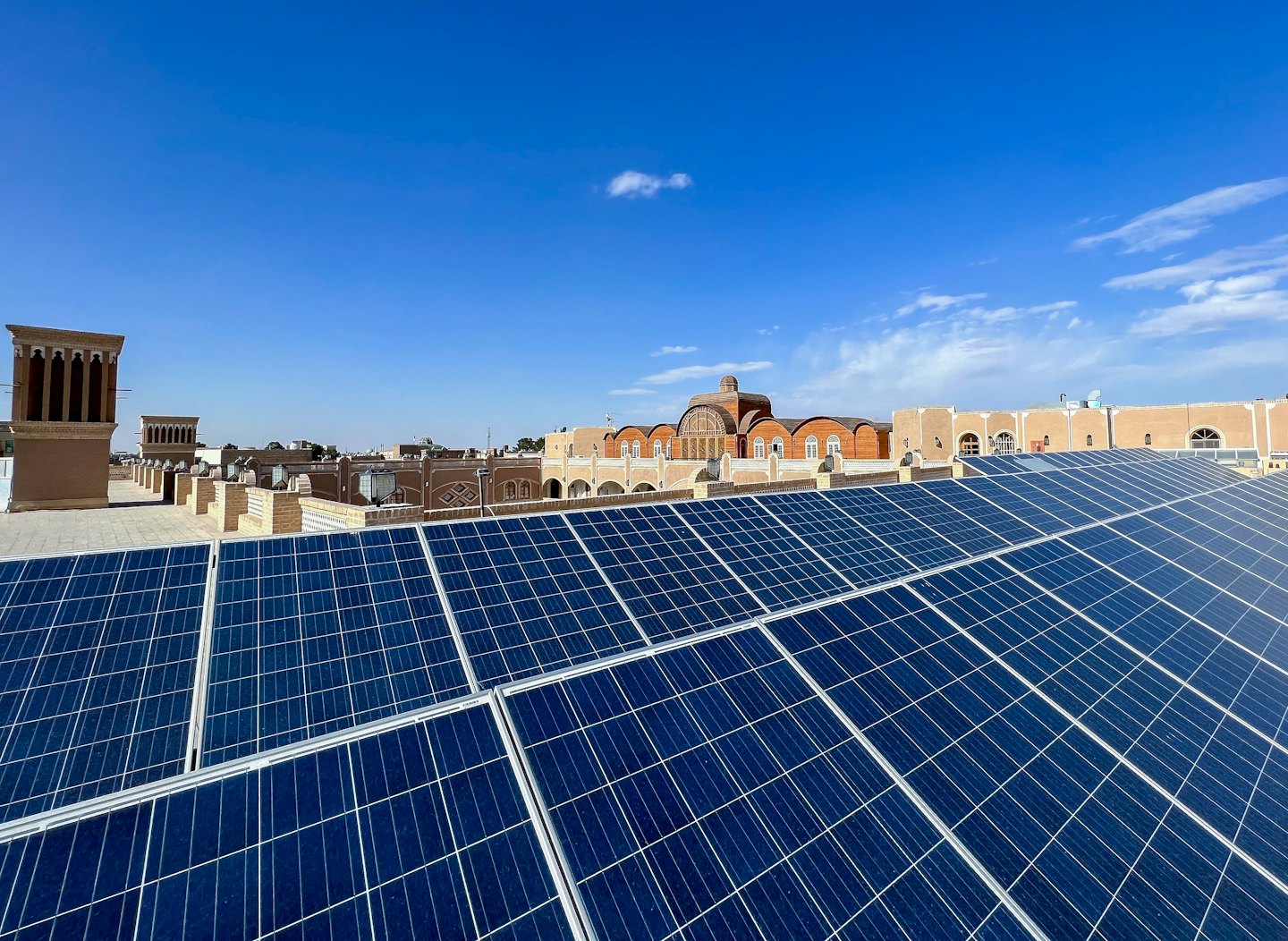
2. When you use electricity
The more solar electricity you use directly in the home, the less you need to buy from the grid. A battery can help shift solar energy into the evening.

3. Your roof and system design
Roof direction, shading, available space and the size of the system all affect how much electricity your panels are. Likely to generate,
Battery Storage: Is It Worth It?
A battery lets you store excess solar energy generated during the day and use it later, instead of exporting it to the grid. This can increase the amount of your own solar energy you use at home and may improve savings, especially if much of your electricity use is in the evening.
1. More self-use
Keep more of the electricity your panels generate.
2. Cheaper charging
Some batteries can also charge on lower-cost overnight tarrifs.
3. Not always essential
The best choice depends on your usage pattern, tariffs and battery cost.
Battery Storage: Is It Worth It?
A battery lets you store excess solar electricity generated during the day and use it later, instead of exporting it immediately to the grid. This can increase the amount of your own solar energy you use at home and may improve savings, especially if much of your electricity use is in the evening.
More self-use:
Keep more of the electricity your panels generate.
Cheaper charging:
Some batteries can also charge on lower-cost overnight tariffs.
Not always essential:
The best choice depends on your usage pattern, tariff and battery costs
What savings can I expect:
Savings depend on your property layout, location, and electricity consumption.
Payback Period: What to Expect
A battery lets you store excess solar electricity generated during the day and use it later, instead of exporting it immediately to the grid. This can increase the amount of your own solar energy you use at home and may improve savings, especially if much of your electricity use is in the evening.
More self-use:
Keep more of the electricity your panels generate.
Cheaper charging:
Some batteries can also charge on lower-cost overnight tariffs.
Not always essential:
The best choice depends on your usage pattern, tariff and battery costs
What savings can I expect:
Savings depend on your property layout, location, and electricity consumption.